★★★★★
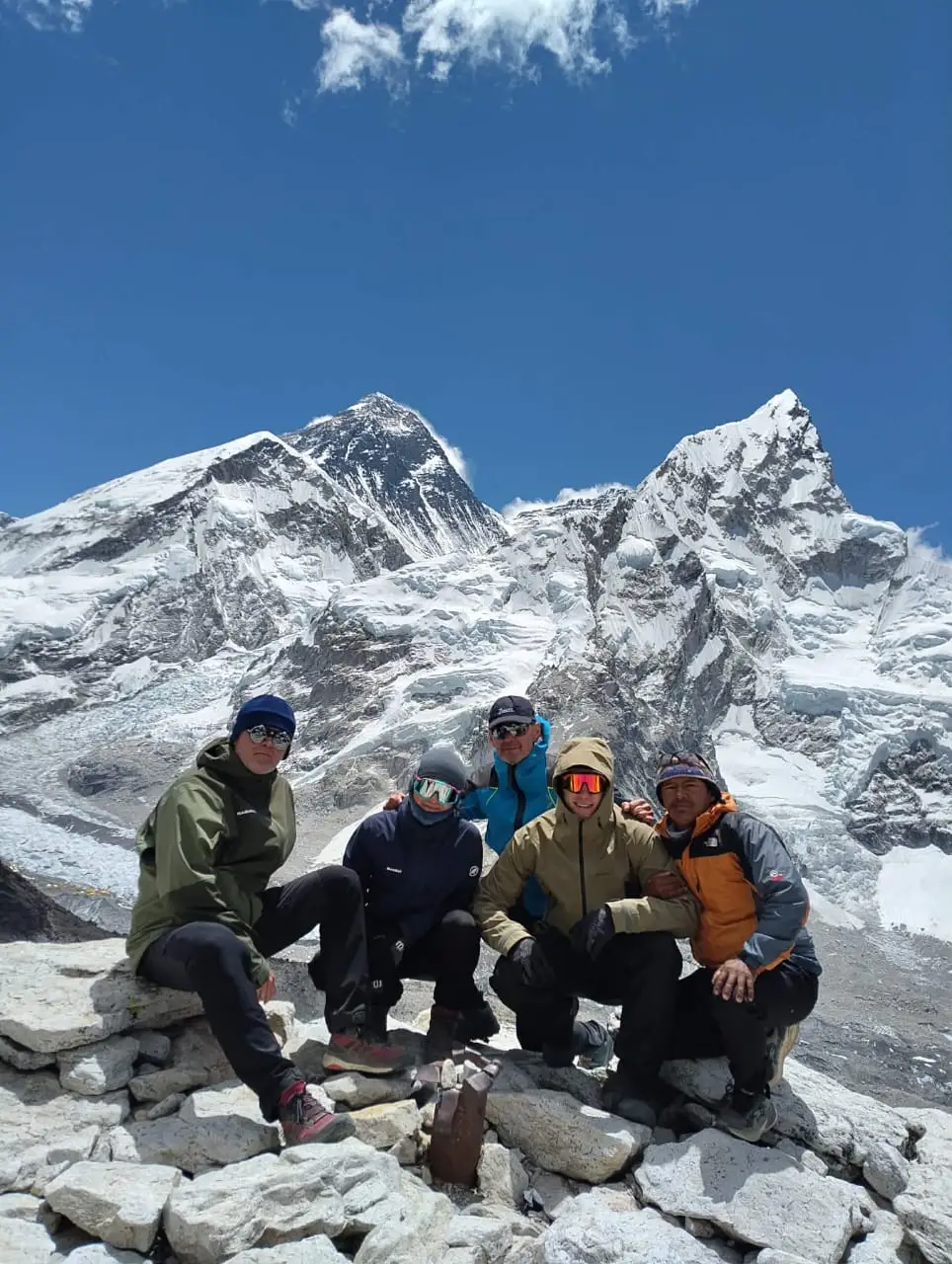
The valley the guidebooks skip. We passed maybe fifteen other trekkers in eight days. Tserko Ri at sunrise was the best morning of the trip and our guide Lhakpa grew up two villages down.
Marta S.Spain · Nov 2025

Popular Searches
No results — try “Everest”, “tour” or “permit”
Langtang Lirung
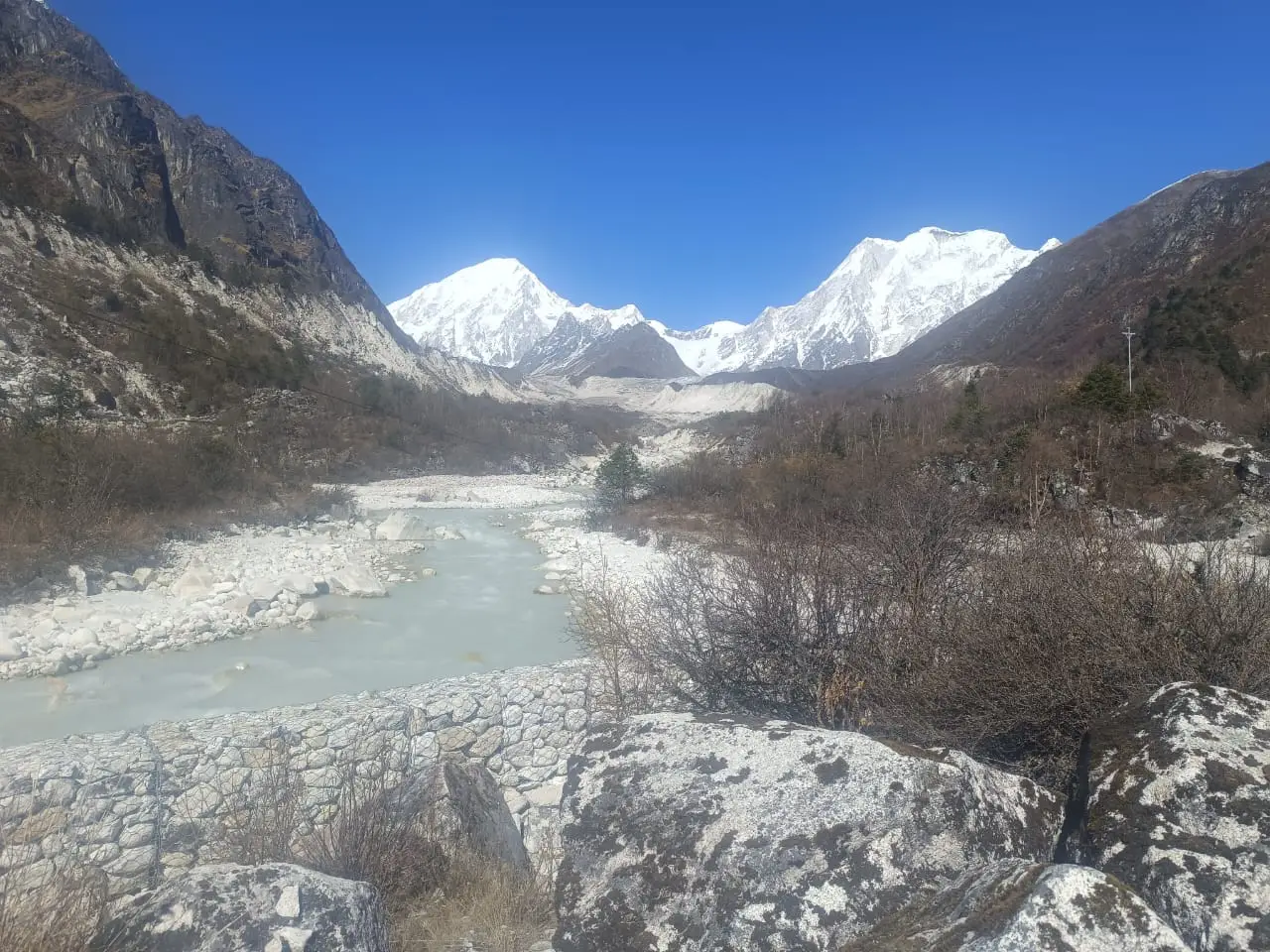
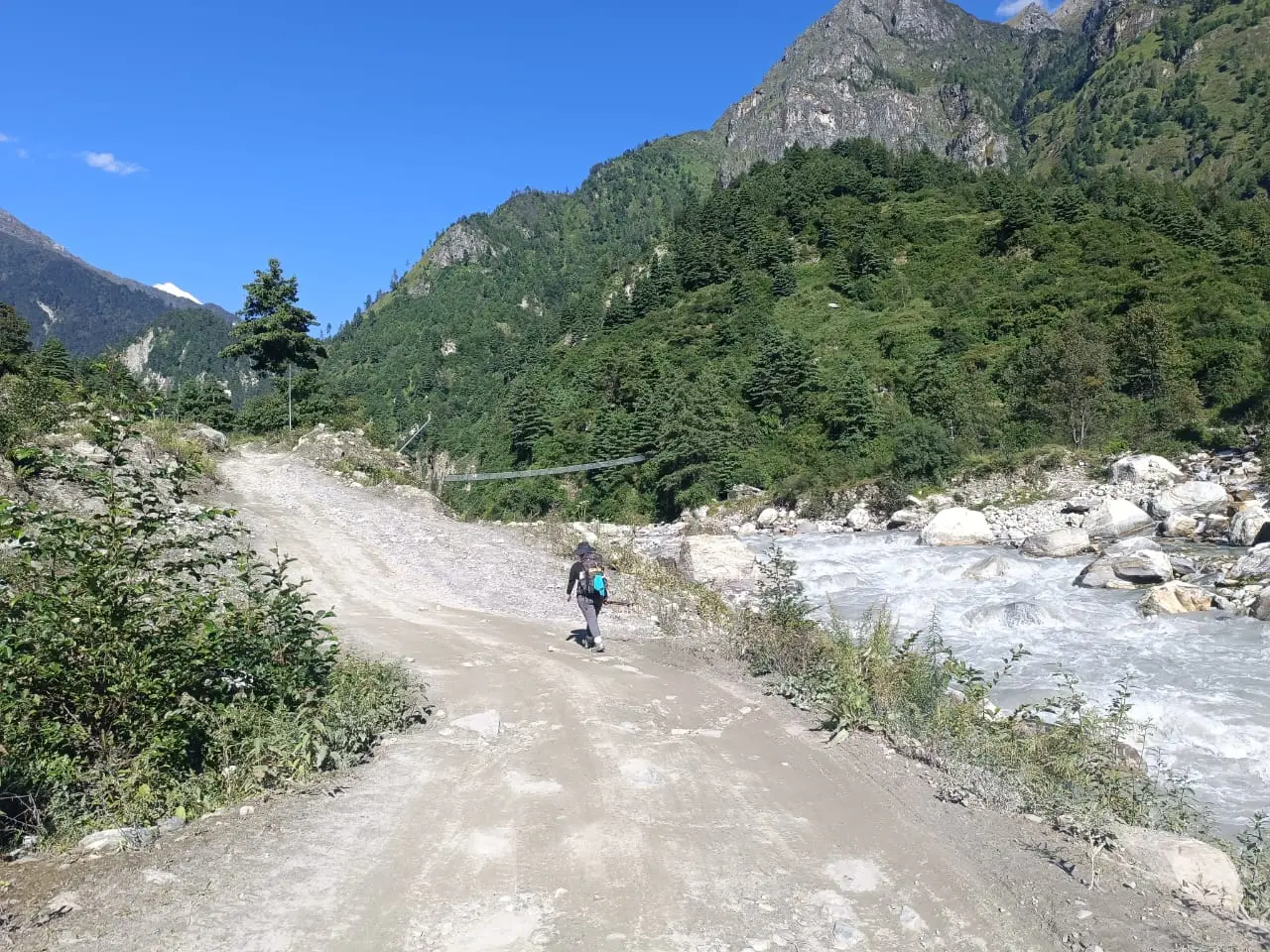
Langtang is the closest big mountain valley to Kathmandu and the one the 2015 earthquake hit hardest. The trail up the Langtang Khola climbs through forest into open yak pasture below Langtang Lirung, ending at Kyanjin Gompa — from where the morning climb to Tserko Ri puts the whole valley below you. Every teahouse on the route was rebuilt by the families who run it.
Airport pickup and transfer to your Thamel hotel. Evening trek briefing at our office and a gear check.
A long, winding drive north to the Tibetan border road. The last two hours are rough, and the valley opens up as you drop into Syabrubesi.
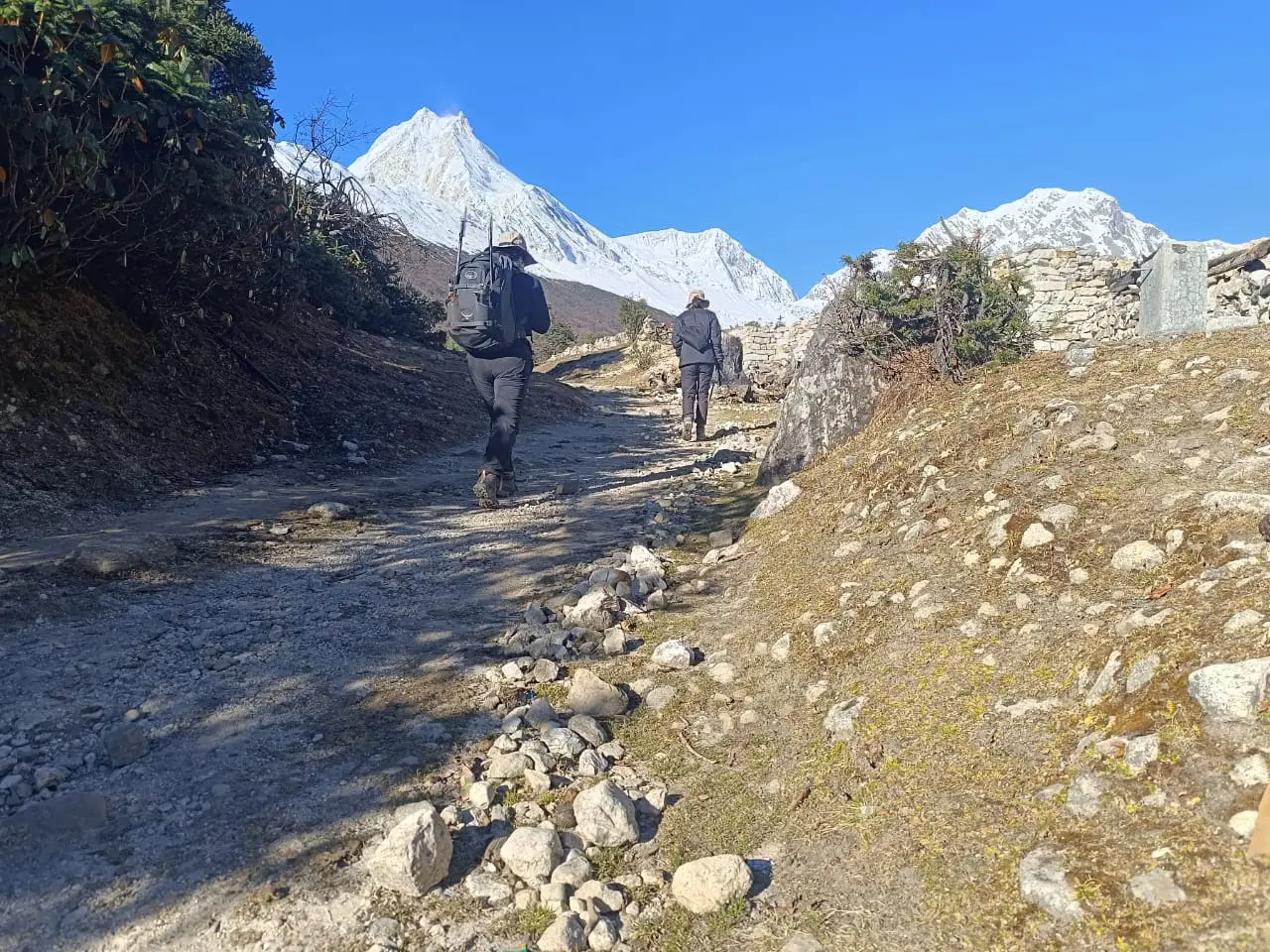
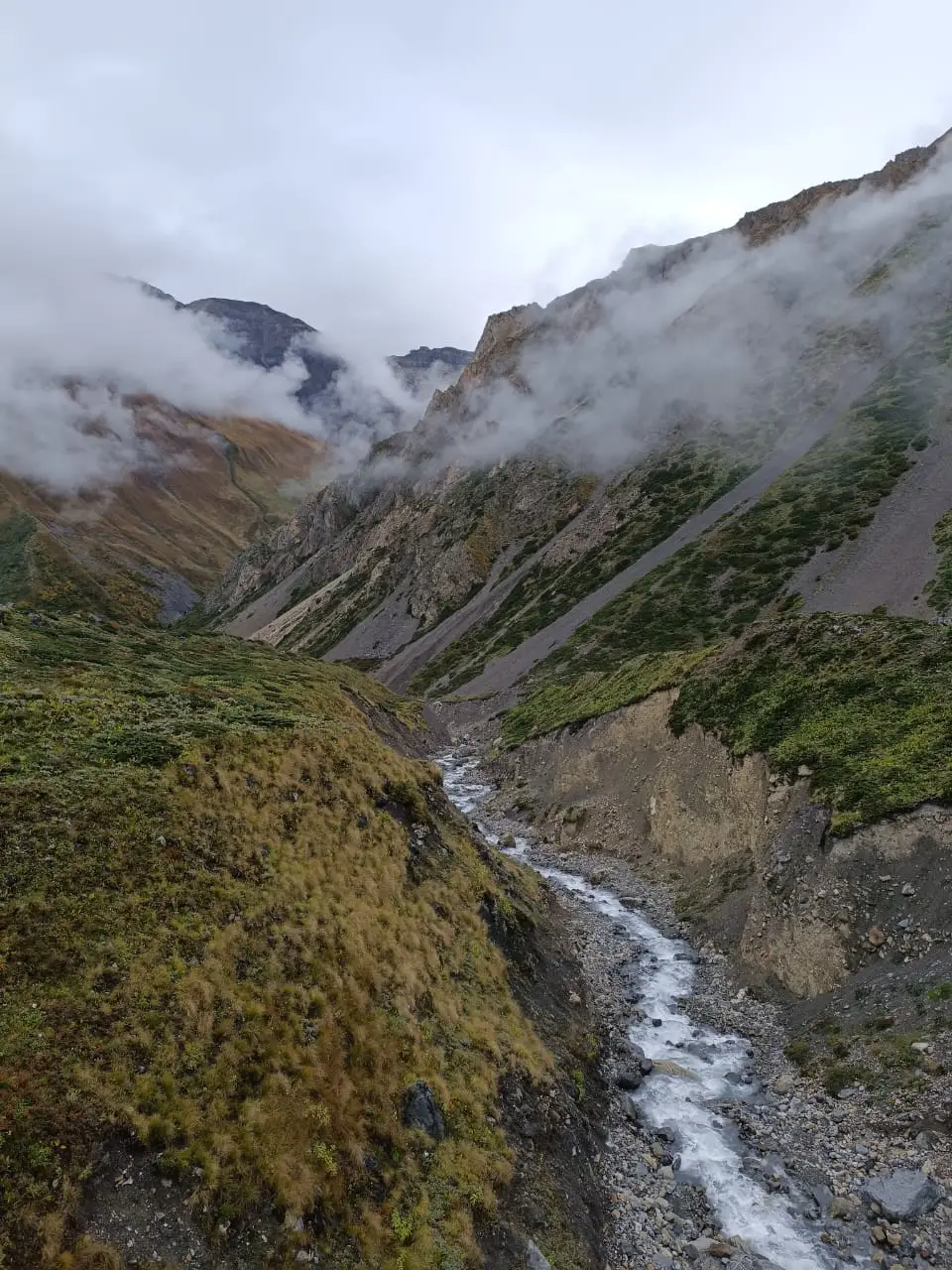
Into the gorge along the Langtang Khola, through oak and rhododendron forest. Langur monkeys are common on this stretch.
The forest thins and Langtang Lirung appears. The village was destroyed by the 2015 earthquake and rebuilt on the same ground by the families who lived there.
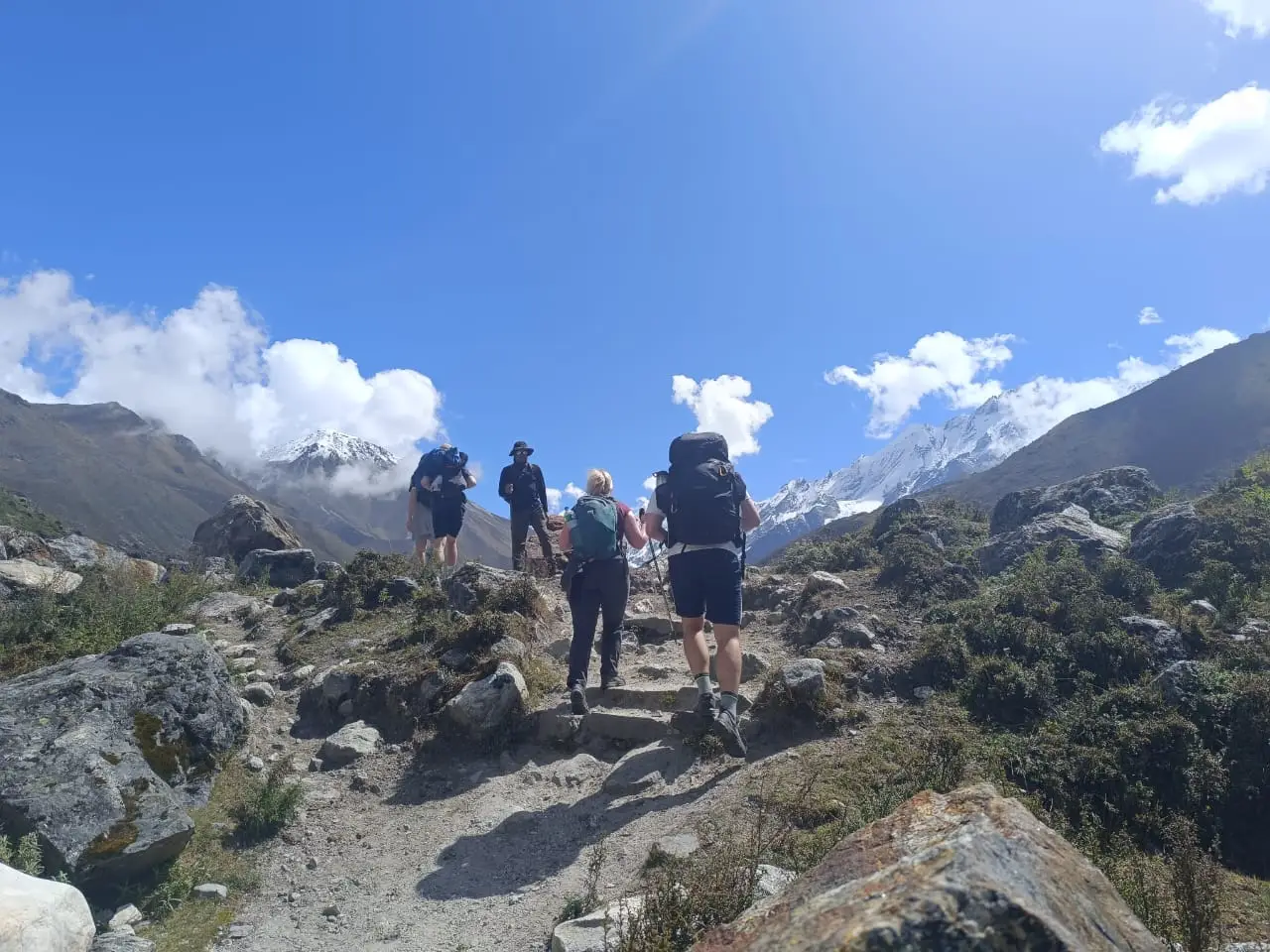
A short, gentle morning past mani walls and yak pasture. Afternoon at the monastery and the cheese factory, and an acclimatisation stroll up the moraine.
A pre-dawn start for the valley's high viewpoint — Langtang Lirung, Dorje Lakpa and the Tibetan border peaks from one ridge. Back for a late breakfast.
The whole valley in reverse, and downhill nearly all of it. Easier on the lungs, harder on the knees.
An early finish to the walking and the long drive back to Thamel. Certificate handover at the office if there is time.
Prices per person, twin-share · 20% deposit confirms · Balance payable in Kathmandu
We provide free of charge: an 80 L duffel bag, sleeping bag and down jacket for the trek — handed over at your Kathmandu briefing, returned after the trek. Anything missing can be bought or rented in Thamel; your guide will help you shop.
Yes. The landslide that buried the old village happened during the quake itself; the trail has been rerouted and the teahouses rebuilt to better standards than before. The valley reopened in 2016 and has run normal seasons since.
No flight, no permit lottery, and a drive rather than a plane to the trailhead — which makes it the most reliable trek in Nepal for a tight schedule. It is also the quietest of the three big valleys.
No. It is the high point of the trek at 4,984 m and the reason most people come, but it is optional and your guide will say honestly whether you are acclimatised for it. Kyanjin Ri, an hour shorter, is the alternative.
Five to six hours of walking a day on well-made trails, with one long descent day. If you can manage a hilly day walk at home you will be fine, and there is no altitude above 4,000 m except on the Tserko Ri morning.
It can be walked in six by skipping Tserko Ri and pushing the descent, but the two days you save are the two the valley is worth. We do not recommend it.
The valley the guidebooks skip. We passed maybe fifteen other trekkers in eight days. Tserko Ri at sunrise was the best morning of the trip and our guide Lhakpa grew up two villages down.
Went with two teenagers and it was the right call — short days, no flight to worry about, and enough altitude to feel like an achievement. The teahouse at Kyanjin was better than our hotel in Kathmandu.