This blog captures a journey through some of the most beautiful and unforgettable landscapes in the Himalayas, an adventure filled with breathtaking views, physically demanding trails, and quiet moments of peace that stay with a traveler long after the trip ends.
A Moment of Relaxation in the Mountains
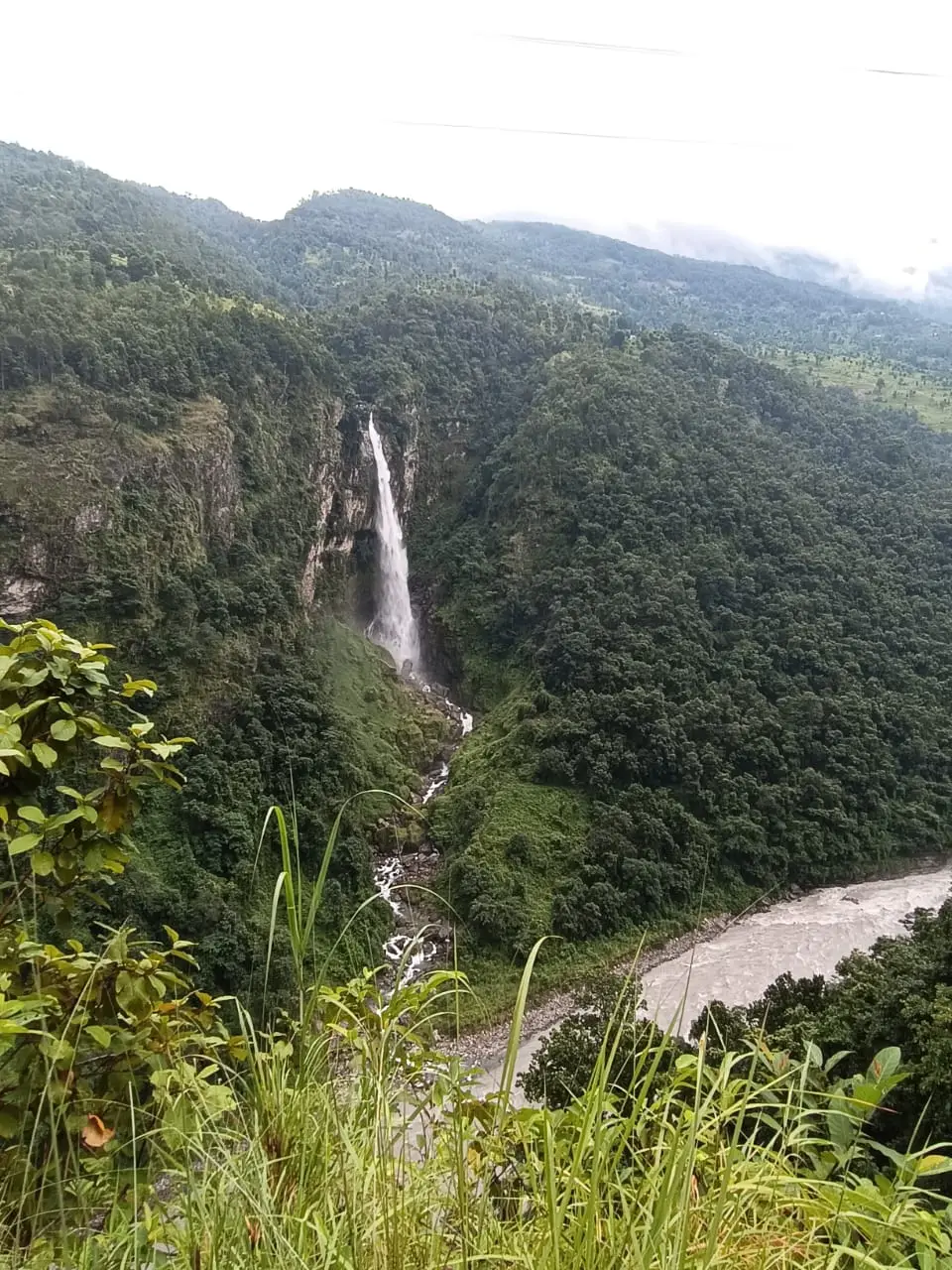
After hours of walking through steep mountain trails, there is perhaps no better feeling than lowering yourself into a natural hot spring. Surrounded by dense green forests and dramatic rocky cliffs, the warm water offers a welcome escape from the cold that settles into the Himalayan air once the sun starts to dip.
The setting feels almost unreal, a simple pool of warm water tucked into the middle of a rugged and untouched landscape. It is moments like this that remind travelers that a mountain journey is about more than just reaching a destination. Sometimes the best memories come from slowing down, sitting back, and simply enjoying the place you happen to be in.
Standing Among the Himalayan Giants
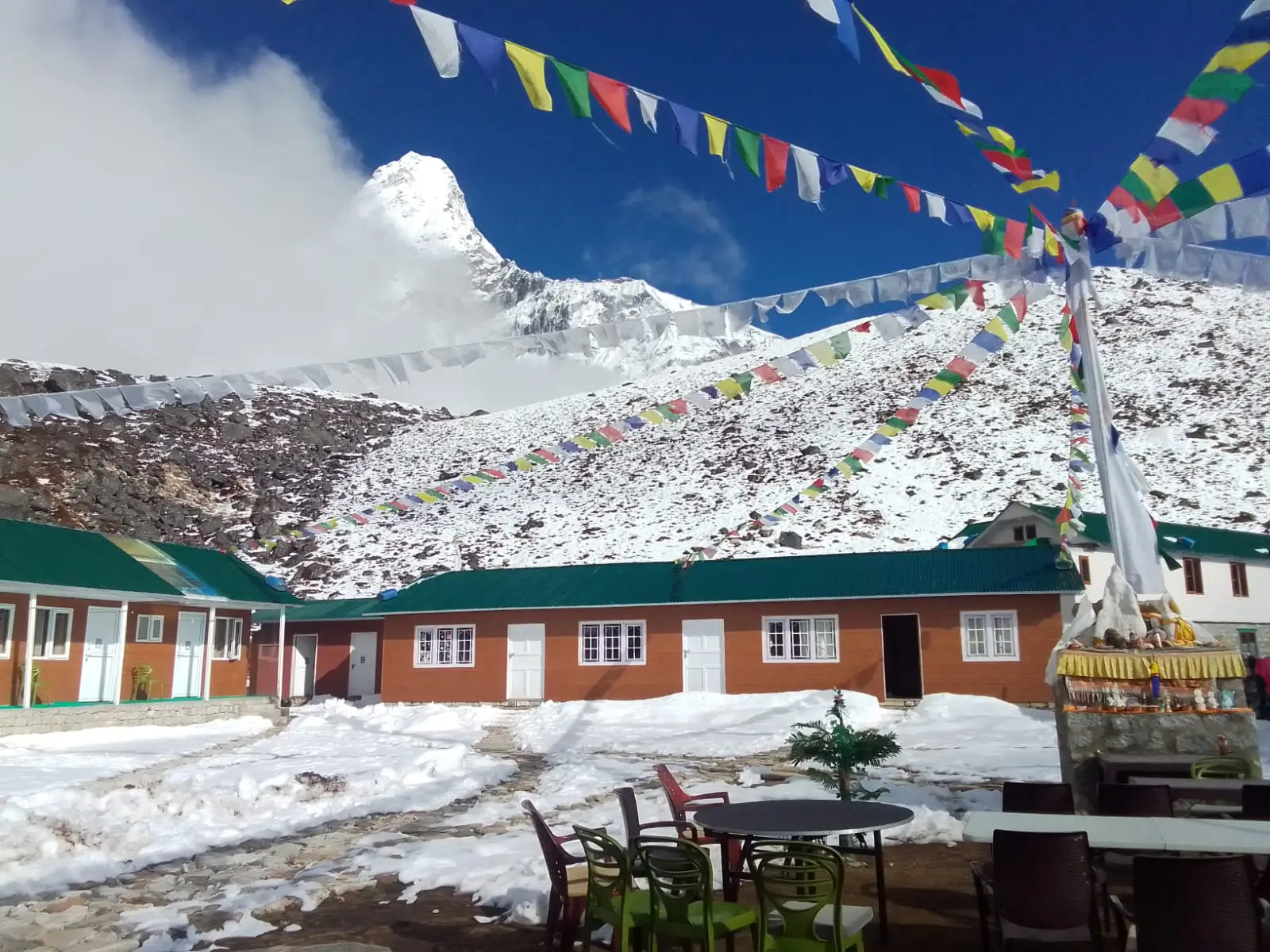
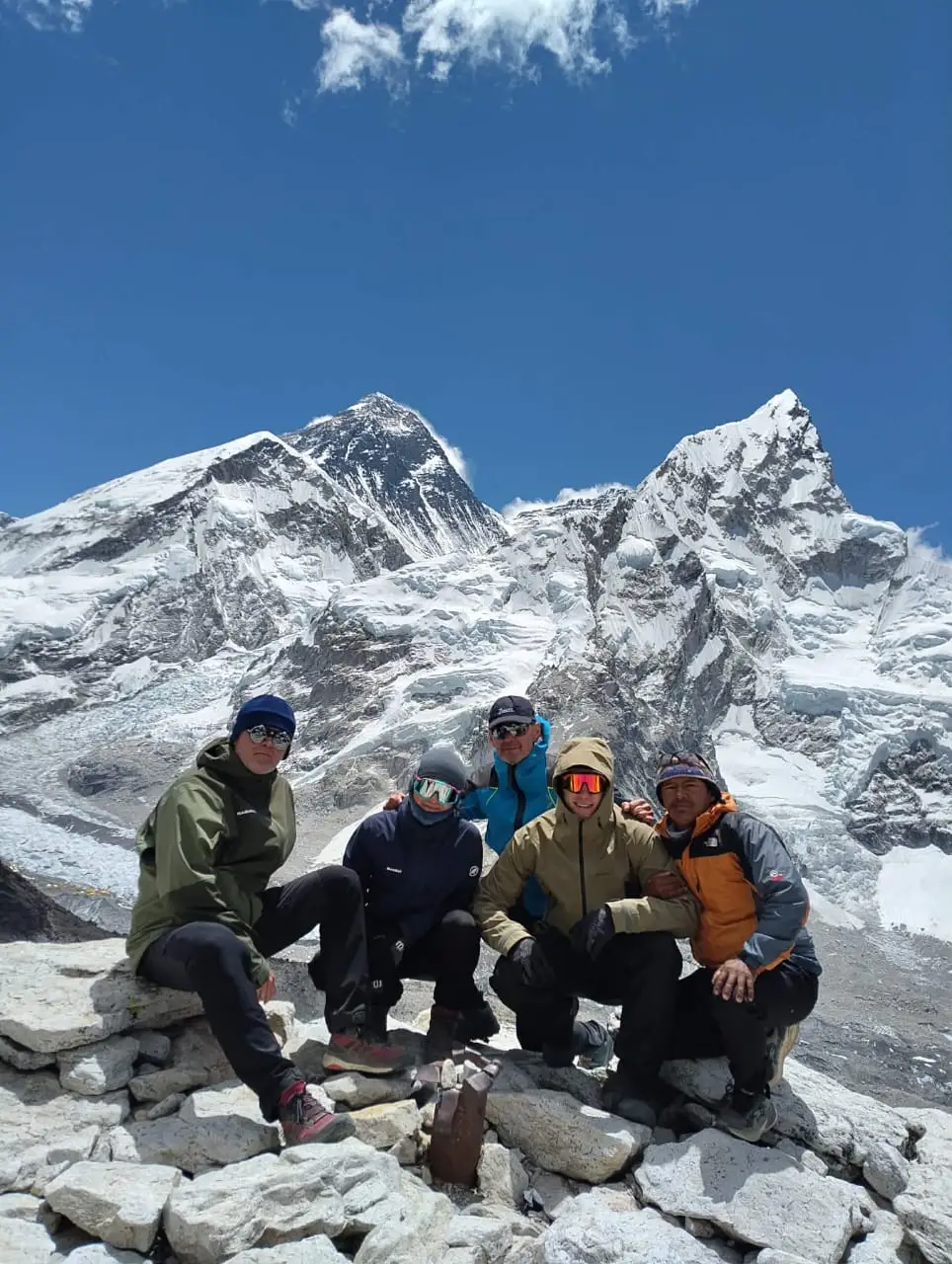
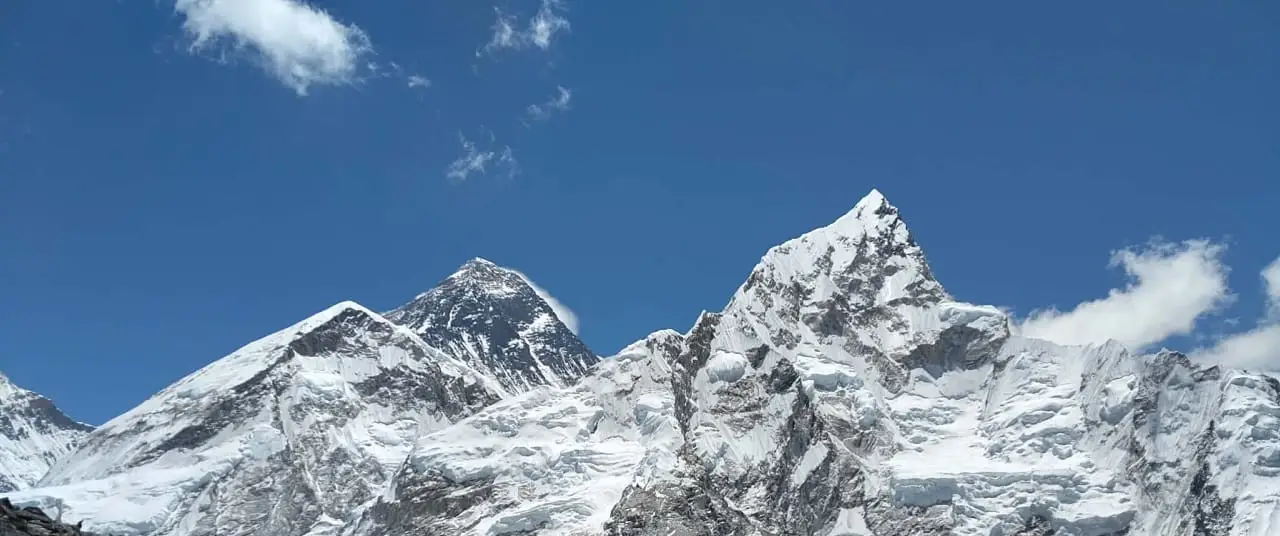
Further into the trek, the scenery transforms completely. Green hills give way to rocky paths, glaciers, and enormous snow covered peaks that seem to stretch endlessly into the sky. Many trekkers describe a particular moment on this stretch of the journey, standing with arms wide open against a Himalayan backdrop, surrounded by strings of colorful prayer flags fluttering in the wind.
It is a feeling that is hard to put into words, the sense of standing somewhere so vast that it makes you realize just how small you are next to the mountains around you. The clear blue sky, the bright white peaks, and the vivid colors of the prayer flags together create a scene that feels almost too dramatic to be real. There is also something quietly peaceful about watching those flags move against the wind, their colors standing out sharply against the white snow and blue sky, bringing a sense of life to an otherwise rugged and silent environment.
The Blue Mountain Lake
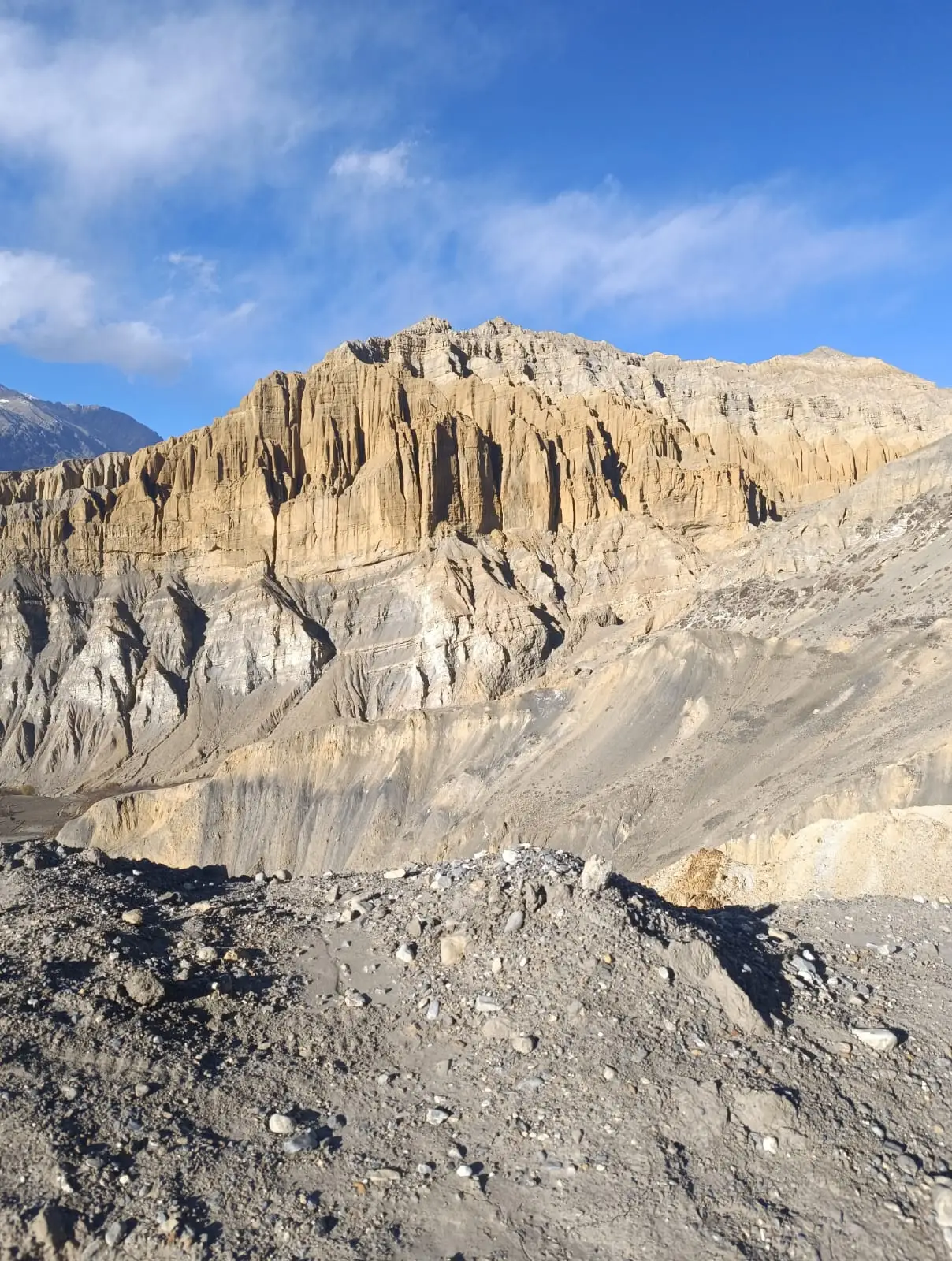
Among all the sights along the way, one of the most striking is a brilliant blue alpine lake, hidden among rocky slopes and green hillsides. The water carries an incredible turquoise color, almost too perfect to look real. The contrast between the bright blue water, the gray stone surrounding it, and the green slopes further out makes this one of the most photogenic spots on the entire route.
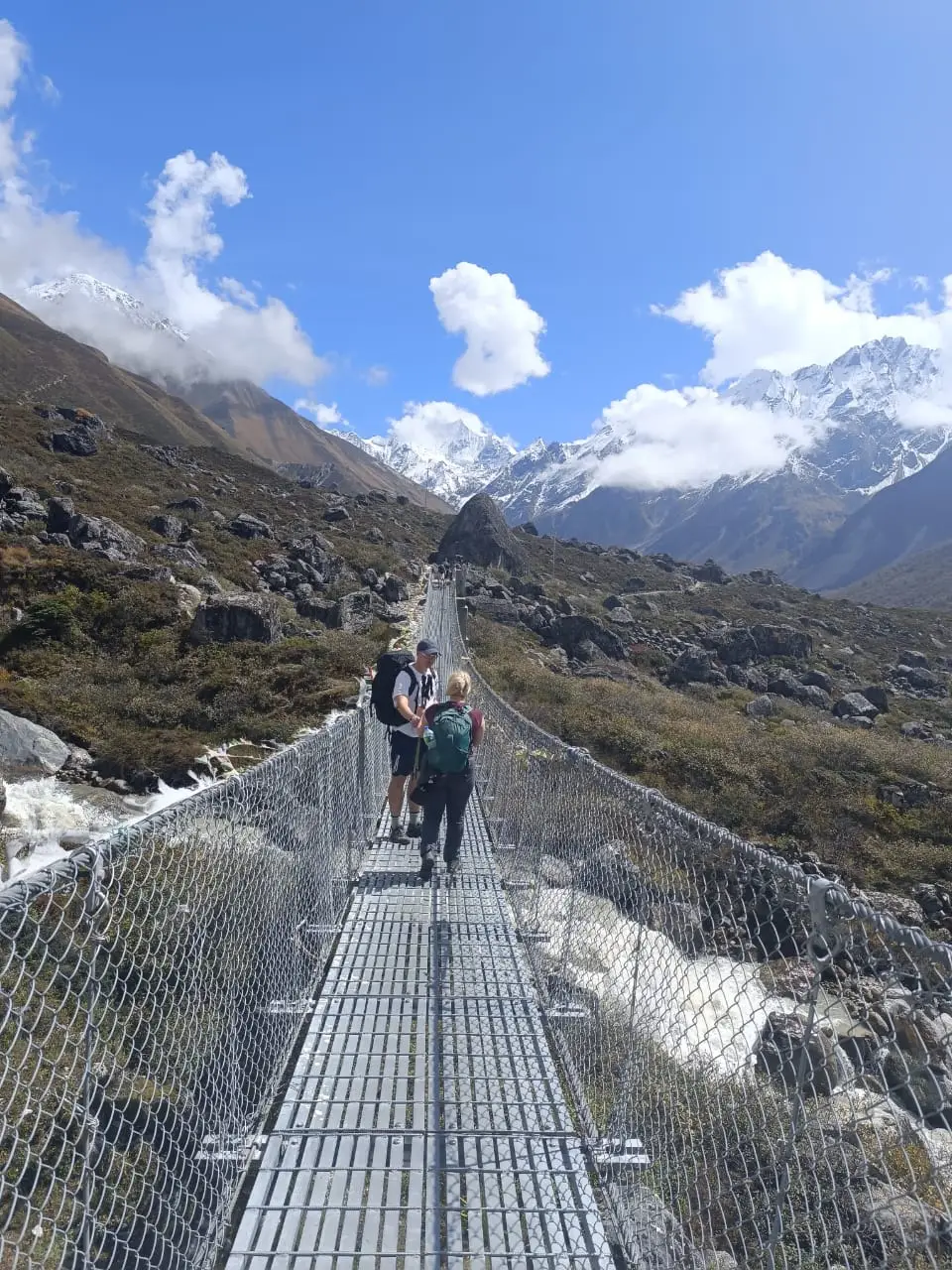
Reaching a lake like this usually takes real effort. The trails leading up to it can be steep, loose underfoot, and physically exhausting, but every difficult step feels worth it once the lake comes into view. A photograph can capture the color of the water, but it cannot fully capture what it feels like to stand there in person, looking down at something so unexpectedly beautiful in the middle of such a remote landscape.
Reaching Cho La Pass
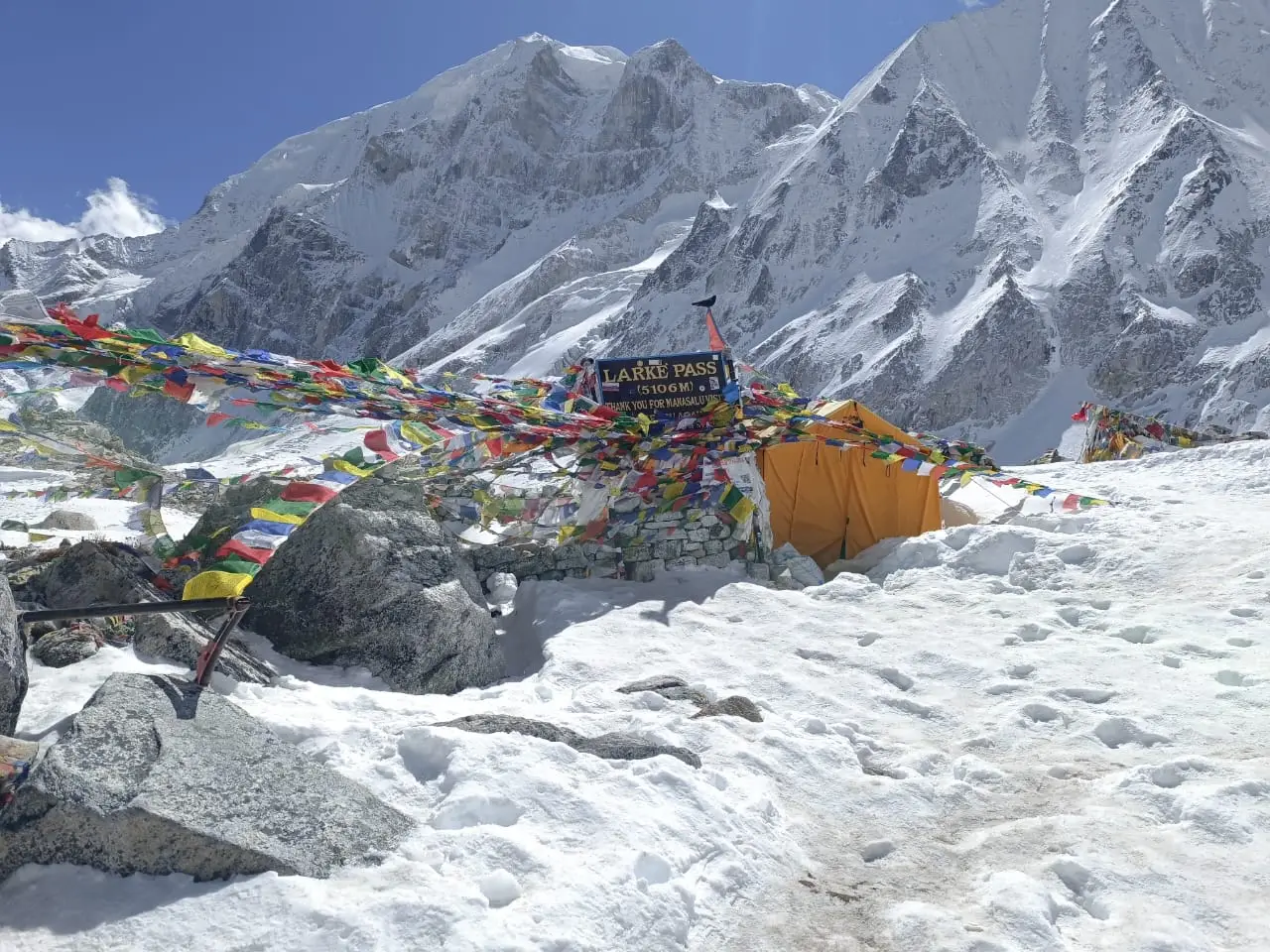
The journey becomes even more demanding at higher altitude. Standing at Cho La Pass, at an elevation of 5,420 meters, surrounded by snow, loose rock, prayer flags, and an endless stretch of mountains, is a moment that represents both adventure and genuine achievement.
Many trekkers pause here to hold up the sign marking the pass, with the full Himalayan range stretching out behind them. At this altitude, the surroundings feel entirely different from the forests and villages found lower on the trail. The air is thin and cold, and the terrain is unforgiving, which is exactly what makes reaching the pass feel like such an accomplishment. For a moment, the exhaustion of the climb fades away, replaced by the simple experience of standing still and realizing just how far you have come.
More Than Just a Trek
Looking back at the full journey, what stands out most is how much variety it holds within a single trip. There are warm natural springs tucked into quiet forests. There are enormous snow covered mountains that dominate the skyline. There are bright turquoise alpine lakes hidden among the rocks. There are colorful prayer flags moving constantly in the mountain wind. And there are long, difficult trails that lead to places very few people ever get to see with their own eyes.
A Himalayan journey is rarely comfortable or easy. There are steep climbs, freezing mornings, tired legs, and stretches of trail that seem to go on without end. But those very challenges are what give the experience its meaning. The mountains have a way of slowing everything down. Away from busy roads, crowded cities, and daily routines, there is finally time to appreciate the small things, the sound of the wind moving through a valley, the sight of a distant peak, a warm bath after a long day of walking, or the quiet satisfaction of finally reaching a destination that once felt impossibly far away.
A Journey Worth Remembering
These experiences are more than just beautiful scenery. Together they tell the story of an adventure that moves from warm natural springs all the way up to some of the highest and most dramatic landscapes in Nepal. The Himalayas have a way of leaving a lasting impression on anyone who walks through them. A traveler might arrive looking for adventure, scenic views, or simply a break from everyday life, but they leave carrying memories that last far longer than the trip itself.
Because in the mountains, reaching the destination is only ever part of the story.
Season FAQs
Cho La Pass is a high mountain pass in the Everest region of Nepal, sitting at an elevation of 5,420 meters. It connects the Khumbu region with the Gokyo Valley and is known for its steep, rocky terrain and thin air, making it a challenging but rewarding section of many high altitude treks.
Yes, several trekking regions in Nepal have natural hot springs along or near the trail, offering trekkers a chance to relax and soothe tired muscles after long days of walking. These springs are often found in forested areas at lower altitudes before the trail climbs into higher, more rugged terrain.
The striking turquoise color of high altitude Himalayan lakes usually comes from glacial meltwater carrying fine rock particles, known as glacial flour, which scatter sunlight in a way that produces vivid blue and turquoise shades. Combined with clear water and the surrounding rock and greenery, these lakes often look almost artificially colored.
Prayer flags are a traditional part of Himalayan Buddhist culture. They are believed to spread blessings of peace, compassion, and good fortune as the wind carries their messages across the mountains. High passes and viewpoints are common places to find them, marking both spiritual significance and major trekking milestones.
Yes, treks that include high passes such as Cho La are considered physically demanding. They typically involve multiple days of walking at high altitude, steep and rocky terrain, cold temperatures, and thinner air that requires proper acclimatization. Good physical preparation and a sensible pace are important for completing routes like this safely.