Nepal is one of those destinations where the experience can change completely depending on when you visit. The same trail can look lush and colorful in spring, bright and crystal-clear in autumn, covered in snow during winter, or washed by monsoon rain in summer.
That does not mean there is one perfect month for everyone. The best time to visit Nepal really depends on what you want to see, where you want to go, and what kind of experience you are looking for.
If you are planning a trek, a cultural trip, a wildlife adventure, or simply a relaxing holiday, choosing the right season can make your trip much more enjoyable.
Spring for Color, Comfortable Weather, and Mountain Adventures
March to May is one of the most popular periods for visiting Nepal.
As winter fades, temperatures begin to rise and the hills become greener. One of the most beautiful things about traveling during spring is seeing Nepal's famous rhododendrons in bloom. The forests can become filled with shades of red, pink, and white, adding a completely different character to trekking trails.
Spring is also a great time for trekking because conditions at many lower and mid-altitude destinations are comfortable. The days are generally pleasant for walking, while mornings and evenings can still feel cool.
For mountain enthusiasts, spring is also an important season for climbing higher peaks. Weather conditions at high elevations can provide suitable windows for major expeditions.
If you enjoy flowers, comfortable trekking temperatures, and lively mountain trails, spring can be an excellent choice.
What to expect in spring
- Rhododendron forests in bloom
- Comfortable temperatures at lower elevations
- Good trekking conditions
- Increasingly warmer days
- Busy popular trekking routes
- Excellent opportunities for mountain adventures
Autumn for Clear Mountain Views
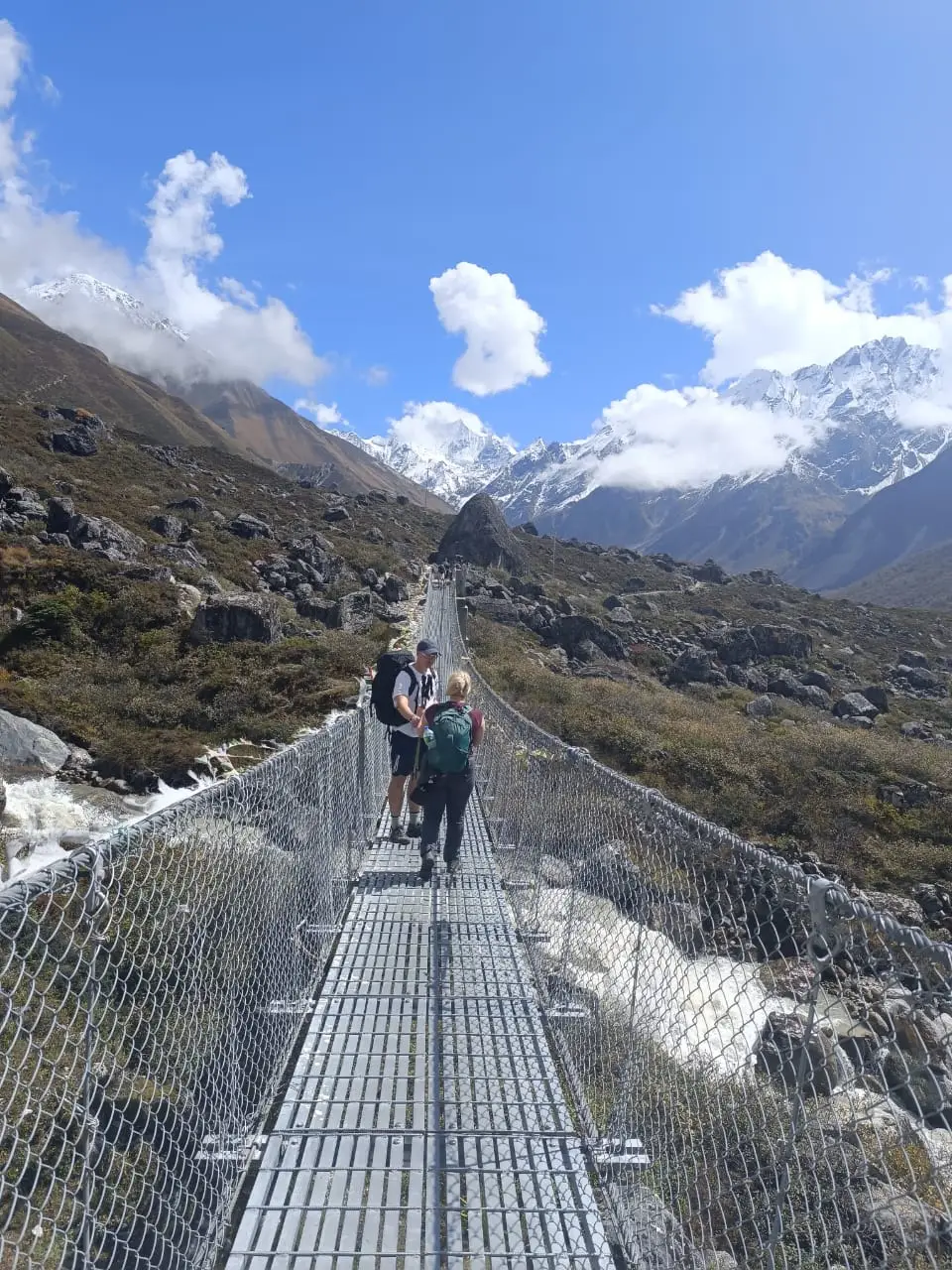
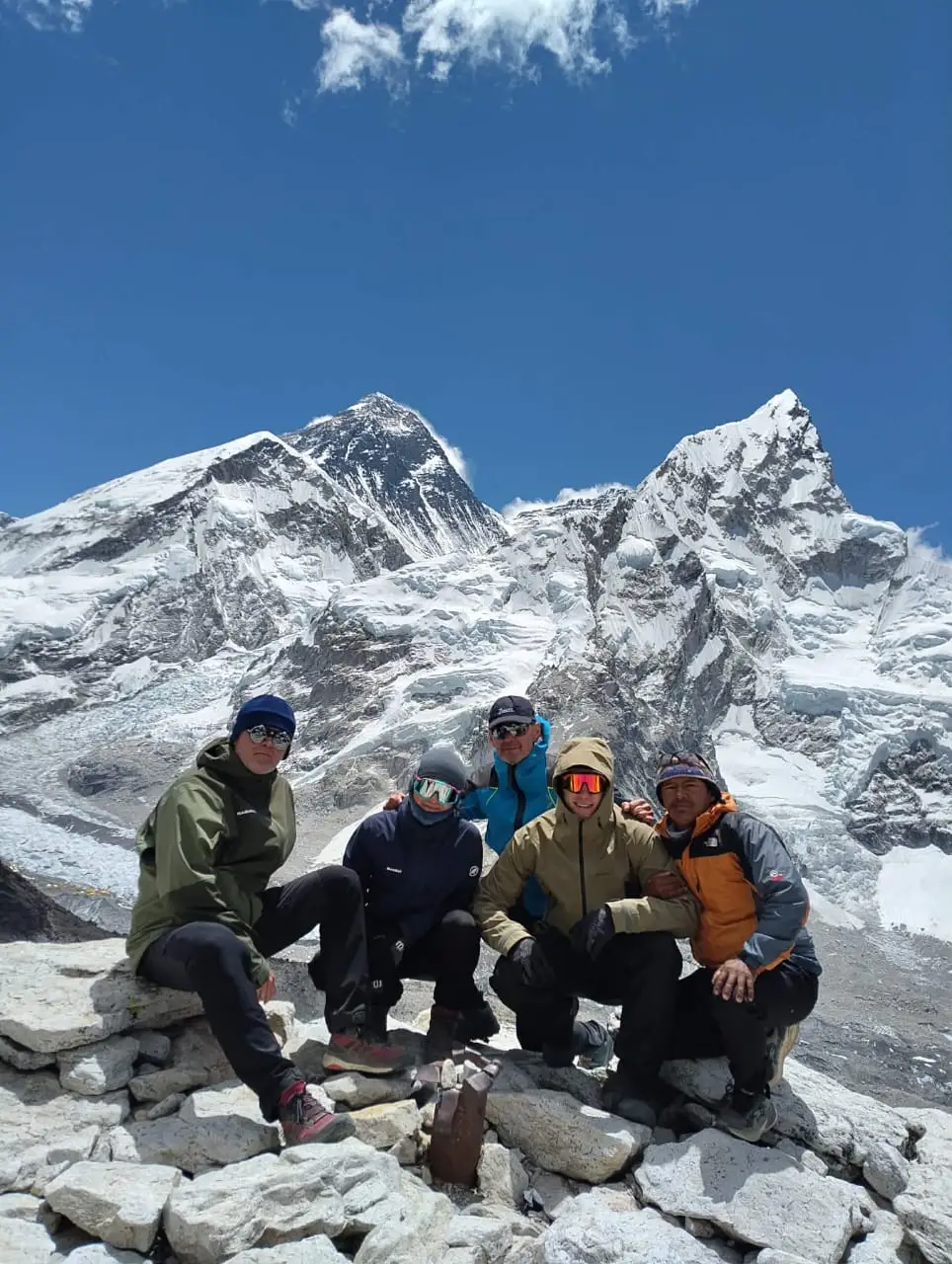
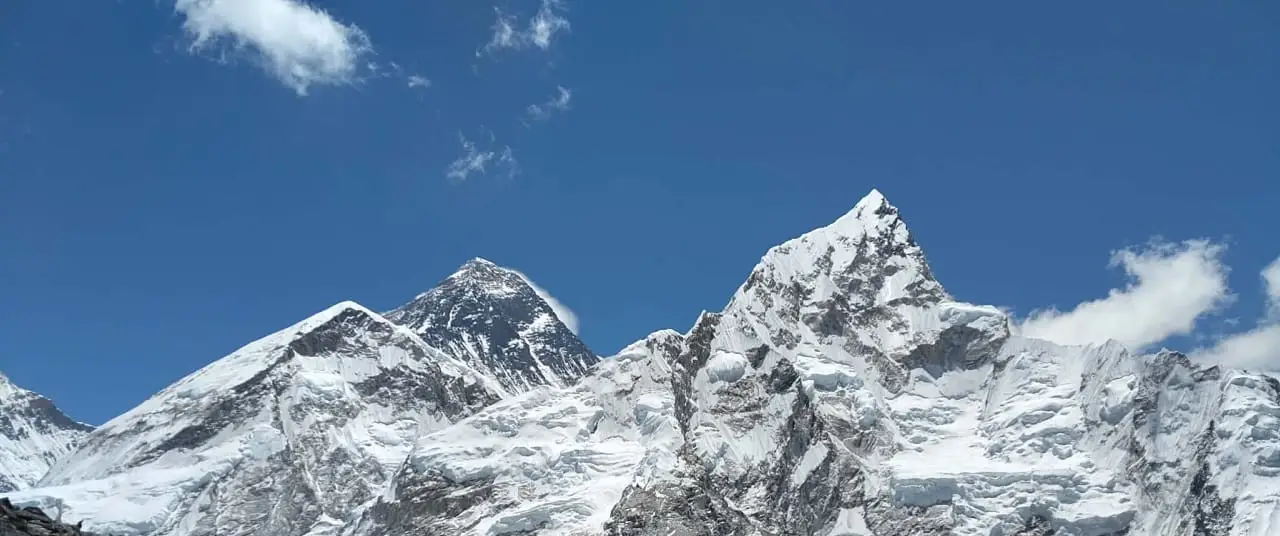
If your dream of Nepal includes standing beneath a deep blue sky with sharp, snow-covered mountains stretching across the horizon, autumn is hard to beat.
Late September through November is generally considered one of the best periods for trekking and mountain sightseeing. The monsoon has usually cleared much of the dust and haze from the atmosphere, making the mountains appear particularly crisp and clear.
The weather is also generally stable, which is one reason autumn is such a popular trekking season.
This is the time when Nepal's major trekking routes can feel particularly lively. Teahouses fill with trekkers, trails become more active, and mountain villages have a steady flow of visitors.
The downside is that popularity comes with crowds. If you prefer peaceful trails and quieter accommodation, you may want to consider less busy routes or travel toward the beginning or end of the season.
What makes autumn special?
- Excellent mountain visibility
- Generally stable weather
- Pleasant trekking temperatures
- Clear skies
- Popular trekking routes are fully active
- Great conditions for photography
For first-time visitors planning a classic Himalayan trek, autumn is often one of the safest choices when it comes to balancing weather and scenery.
Monsoon Has a Different Side of Nepal
June to August is the monsoon season in much of Nepal.
For many travelers, heavy rainfall makes this period less attractive, especially for trekking in areas where trails can become muddy and slippery. Clouds can also hide mountain views, while rain may occasionally affect roads and transportation.
But that does not mean Nepal should be crossed off your list during the monsoon.
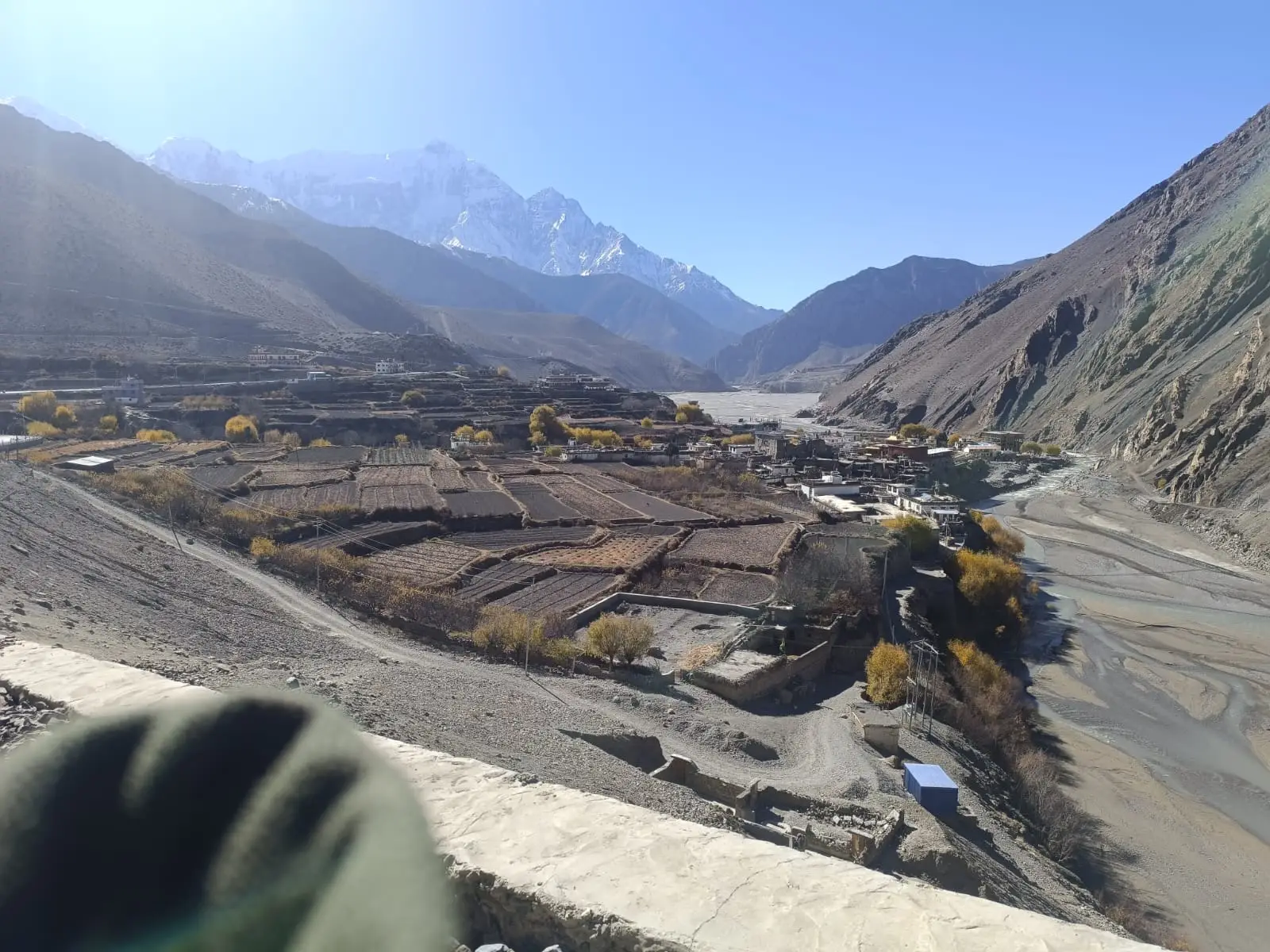
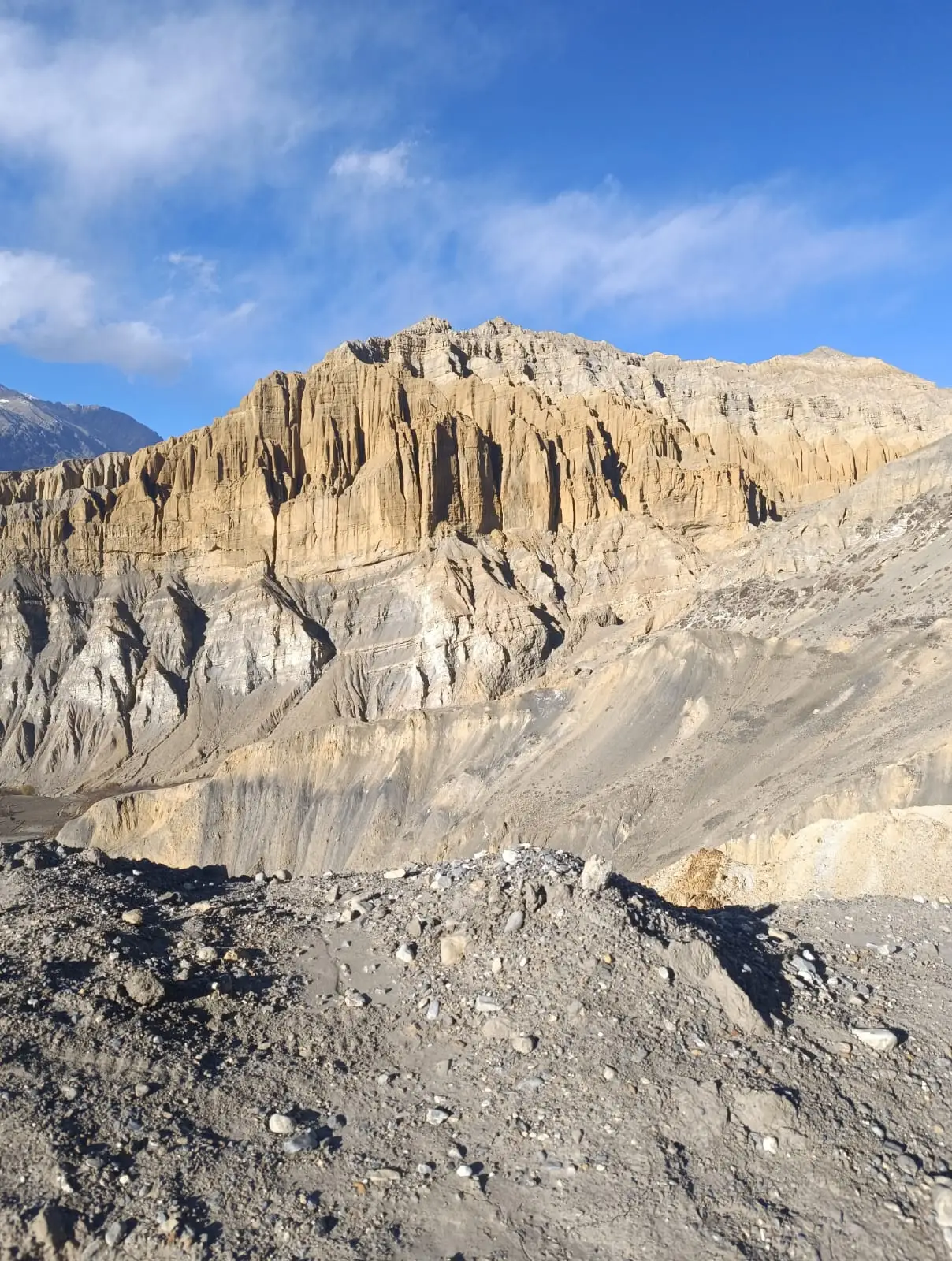
The country has regions that experience much less rainfall because they sit in the rain shadow of the Himalayas. Areas such as Upper Mustang can be particularly interesting during this period, offering dry landscapes, dramatic cliffs, ancient villages, and a very different experience from the green, rain-filled hills elsewhere in the country.
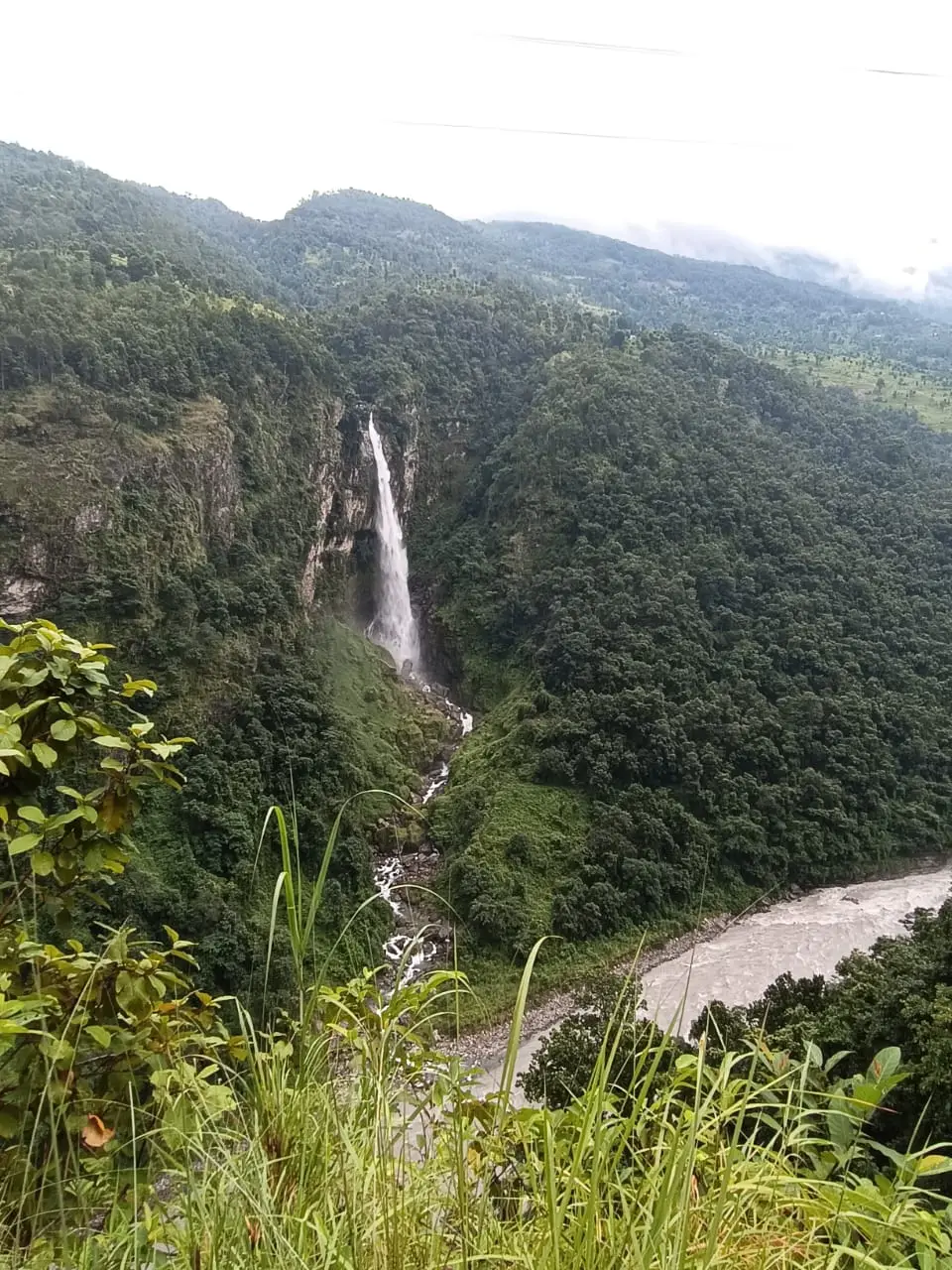
The monsoon can also make Nepal's lower landscapes incredibly green. Rice fields, forests, and hillsides come alive, creating beautiful scenery of a completely different kind.
So, if you do not mind rain and are willing to choose your destination carefully, summer can still be worthwhile.
Winter for Quiet Trails and Crisp Skies
December to February brings colder conditions, particularly at higher elevations.
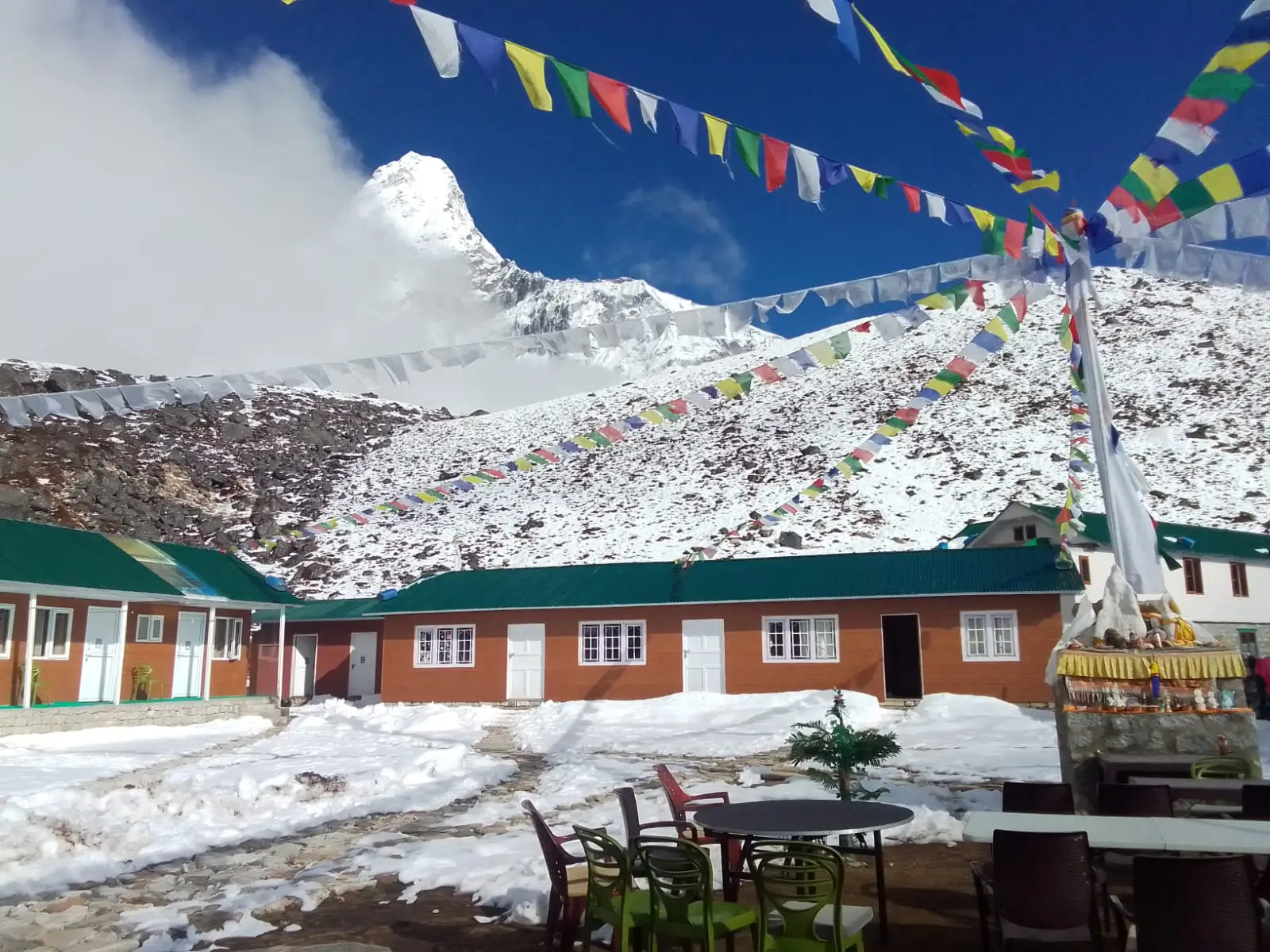
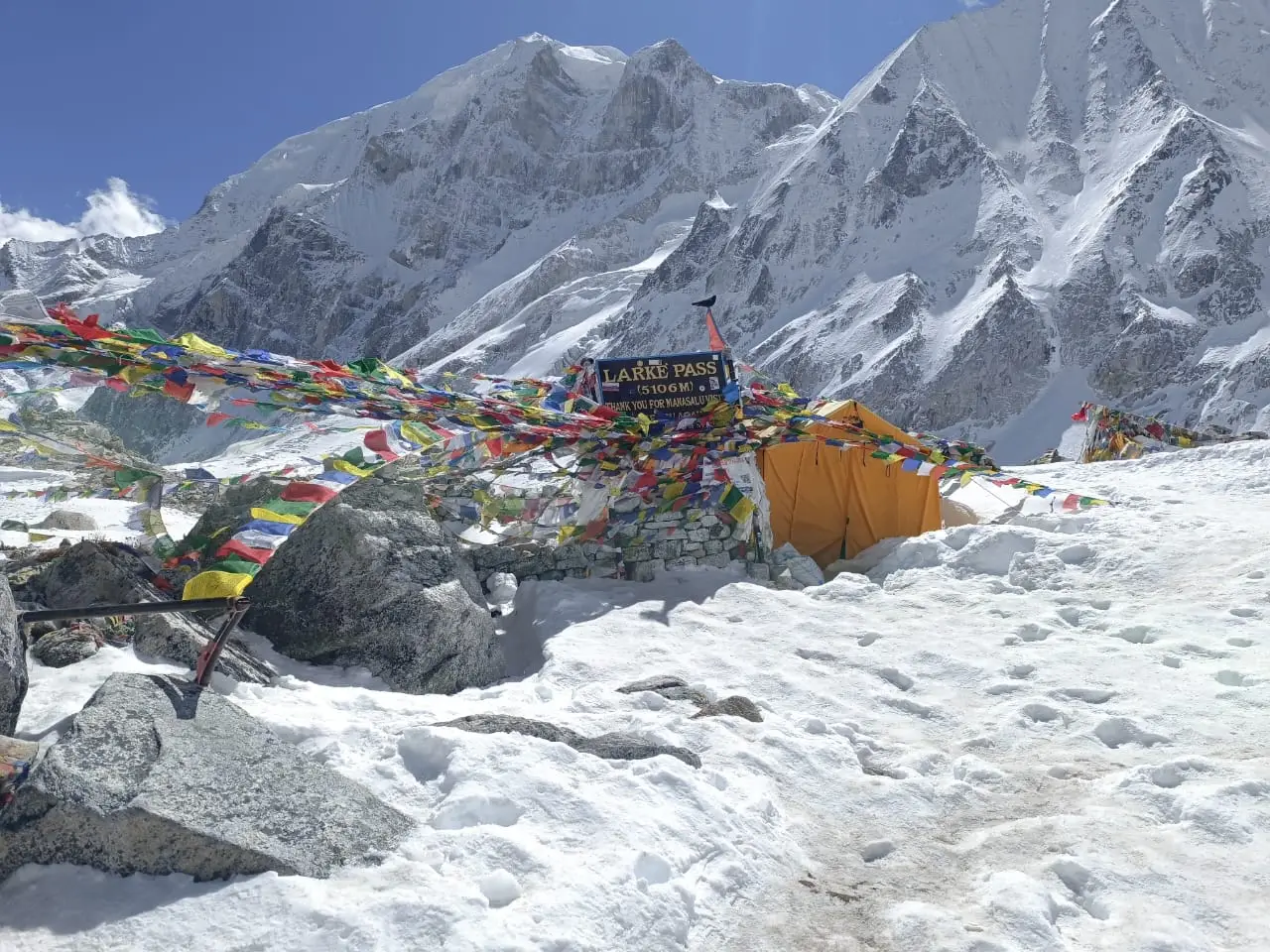
Some high-altitude trekking routes and mountain passes may become difficult or inaccessible because of snow and freezing temperatures. However, winter can be a rewarding time to explore lower and mid-altitude destinations.
One major advantage is fewer crowds.
Imagine walking through a quieter trail, exploring historic towns without the usual rush, or enjoying a clear Himalayan view while wrapped up in warm clothes. For travelers who prefer peaceful experiences over busy trekking seasons, winter has plenty to offer.
The days can be sunny and pleasant at lower elevations, although mornings and evenings can become very cold.
Winter is a good option if you:
- Prefer quieter destinations
- Do not mind cold temperatures
- Want clear skies at lower elevations
- Prefer cultural and city sightseeing
- Plan to trek at lower or moderate elevations
Choosing a Season Based on Your Travel Style
Instead of asking, "When is the best time to visit Nepal?", it may be more useful to ask, "What do I want to do in Nepal?"
If you want to trek through blooming rhododendron forests, spring may be ideal.
If clear mountain views and classic Himalayan trekking are your priority, autumn is usually a strong choice.
If you want to explore rain-shadow regions and experience Nepal away from the busiest trekking months, monsoon can offer something different.
And if you prefer quieter trails, fewer tourists, and do not mind cold weather, winter can be surprisingly rewarding.
Don't Forget That Nepal Has Different Climates
One thing that can easily be overlooked when planning a trip is Nepal's dramatic change in altitude.
The weather in Kathmandu is not necessarily the same as the weather in the Everest region. Likewise, the conditions in the Terai can be completely different from those in the high Himalayas.
This means that checking the weather for Nepal as a whole is not enough.
Always look at the specific destination and altitude you plan to visit. A trip that includes Kathmandu, Pokhara, Chitwan, and a high-altitude trekking region may involve several completely different weather conditions.
Packing accordingly can save you from carrying too little — or far too much.
Plan Around the Experience, Not Just the Calendar
It is easy to choose a travel date based on what is considered the "best season" and assume everything will work out perfectly. But your ideal season depends on your priorities.
Someone who wants to photograph snow-covered mountains may be disappointed by monsoon clouds. Someone who dislikes crowds may not enjoy the busiest autumn trails. And someone looking for a high-altitude adventure may find winter conditions too challenging.
There is no universal perfect season.
There is simply the season that fits your trip.
Final Thoughts
Nepal changes with the seasons, and that is part of what makes traveling here so interesting.
Spring brings flowers and fresh greenery. Autumn offers some of the clearest mountain views. Monsoon transforms the countryside into a vibrant green landscape while opening up opportunities in rain-shadow regions. Winter brings colder temperatures, quieter trails, and peaceful mountain scenery.
So before booking your flights, think about what you actually want from your trip.
Choose the season around your plans, and Nepal will have something special waiting for you.
Season FAQs
Spring and autumn are generally the most popular seasons, particularly for trekking. Spring offers blooming rhododendrons and pleasant conditions, while autumn is known for clearer skies and excellent mountain visibility.
Yes. Although rainfall can make some trekking routes more difficult, monsoon can still be a good time to visit destinations in Nepal's rain-shadow regions, such as Upper Mustang. The lower hills and valleys are also particularly green during this season.
Yes, depending on the route. Lower- and mid-altitude treks can be enjoyable during winter, but some high-altitude passes and routes may become difficult because of snow and freezing temperatures.
Autumn, particularly October and November, is widely favored for clear mountain views. The air is often cleaner after the monsoon, and stable weather can provide excellent visibility.
Consider your destination, altitude, activities, weather preferences, and tolerance for crowds. The best season for a high-altitude trek may not be the best season for a cultural tour, wildlife trip, or relaxed holiday.